What is Homeschooling?
Homeschooling means different things to different people. It is a movement rich in diversity and schools of thought. Explore what homeschooling is from different perspectives.
What is Homeschooling?
The History of Homeschooling
This infographic from OnlineCollege.org features a graphical representation of the history of homeschooling, methodologies, statistics, and other interesting facts.
What Is Homeschooling?
Patricia M. Lines discusses the basics of homeschooling and the special concerns surrounding it, including legal issues, the success of homeschoolers, colleges, and more.
Homeschooling: Back to the Future?
Explore some of the history of the homeschooling movement, why some parents choose to homeschool, the basics of homeschooling, and more. The article includes some homeschooling statistics and demographic information. Also included is a discussion of the influences of Dr. Raymond Moore and John Holt on the emerging homeschool movement.
On the Edge of the 21st Century
The right to home school is based on two fundamental principles of liberty: religious freedom and parental rights. Whenever one of these two freedoms is threatened, our right to home school is in jeopardy. Here are the battles we think home educators will be facing as we enter the next century:
What is Homeschooling?
Steve Moitozo explains how homeschooling is parents deciding and directing the education of their children—deciding and directing the education, not doing all the educating.
History of Homeschooling
Home in education has been around as long as Adam and Eve. Adam and Eve had no teachers or school to send their children to, so they simply had to do it themselves. It has been the case during much of history that they were simply no schools to send children to, leaving parents with no alternative but to homeschool.
Marking the Milestones: Historical Times
This timeline highlights the important milestones in the fight for homeschool freedom in the United States.
The Politics of Survival: Home Schoolers and the Law
Twenty years ago, home education was treated as a crime in almost every state. Today, it is legal all across America, despite strong and continued opposition from many within the educational establishment. How did this happen? This paper traces the legal and sociological history of the modern home school movement, and then suggests factors that led to this movement's remarkable success.
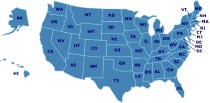
Looking for Another State?
Featured Resources
As an Amazon Associate, we earn from qualifying purchases. We get commissions for purchases made through links on this site.
Bob Books
Bob Books are organized into sets that progress in level as your child learns. They have cute stories and darling illustrations. These books are perfect for children ages 4 to 8.
Bob Books First! Level A, Set 1
Bob Books First! Level A, Set 2
Bob Books First! Level B, Set 2
Bob Books First! Level C, Set 1
Writing Strands & Reading Strands
This program is based on research which shows that there is no useable relationship between the study of grammar as an abstracted skill and the ability to communicate. Writing Strands provides quality reading, writing and speech materials for homeschoolers with children ages 3 through 18. The guided exercises in Writing Strands progress incrementally and allow students to work independently, yet provide the guidance students need to sharpen their ability to inform, persuade and entertain in writ...

LeapPad Game - Mind Wars Interactive Game
Bring a friend and try this brand new way to play with your LeapPad! Travel around the board in this fast-paced, head-to-head game as you hit your buzzer before your friend can steal your question! Be the first to close all five windows and you will become the Mind Wars master and learn important 3rd-5th grade skills in math, language and fine arts, science, history, and geography!

Raising Topsy-Turvy Kids: Successfully Parenting Your Visual-Spatial Child
Understanding how children learn best allows you to meet their needs and help them succeed. A visual-spatial learner remembers things in pictures and learns better with visual clues and strategies. This book addresses those needs and helps you figure out how to encourage this type of learner in your homeschool environment.

The Successful Homeschool Family Handbook
If you are thinking about homeschooling, or are struggling with a educational homeschooling curriculum that is difficult to use, let Dr. Ray and Dorothy Moore show you how to make homeschooling an easy-to-live-with family adventure in learning. This low-stress, low-cost program shows you how to build a curriculum around your child's needs and interests - and around a realistic family schedule. Instead of a cut-and-dried approach, you'll discover the freedom of a flexible program that encourages ...